Scalp infections are a bothersome condition that can cause itching, redness, and hair loss if not treated properly. Many women prefer natural methods due to their effectiveness and gentleness on the skin compared to harsh chemical products.
Some readily available household ingredients can help treat scalp infections and significantly reduce irritation. Daily hygiene also plays a vital role in maintaining scalp health.
Soothing Inflammation with Tea Tree Oil
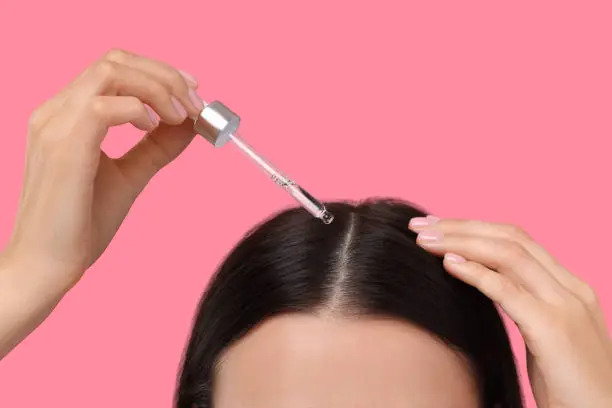 Tea tree oil for treating scalp infections
Tea tree oil is an effective ingredient that helps treat scalp infections and fight bacteria and fungi:
- Dilute a few drops of tea tree oil with a carrier oil.
- Gently massage it into the scalp.
- Leave it on for 10 minutes before rinsing.
- Repeat twice a week.
Moisturizing and Soothing the Scalp with Aloe Vera Gel
Aloe vera gel helps treat scalp infections and soothe redness and itching:
- Apply the natural gel directly to the scalp.
- Leave it on for 30 minutes before washing.
- Suitable for frequent use.
- It helps moisturize the skin without leaving it greasy.
Taking Advantage of Apple Cider Vinegar's Properties
Apple cider vinegar is known for its ability to restore pH balance, thus quickly treating scalp infections:
- Dilute a quarter cup of apple cider vinegar with a cup of water.
- Spray it onto your scalp after washing.
- Leave it on for a few minutes, then rinse.
- It helps reduce dandruff associated with inflammation.
Yogurt and Honey to Soothe the Scalp
Yogurt contains antimicrobial acids that help treat scalp infections, and honey enhances hair hydration:
- Mix yogurt and honey until smooth.
- Apply to the scalp and hair ends.
- Leave it on for half an hour.
- Use only once a week to avoid over-processing the hair.
The Natural Cleansing Power of Henna
Henna treats scalp infections and cleanses it of the microbes that cause them:
- Mix it with warm water to form a paste.
- Apply it to the scalp for one hour.
- Wash it thoroughly with shampoo.
- It is recommended to use it once every two weeks.
Ventilating and Reducing Scalp Sweating
Improving hair ventilation helps treat scalp inflammation caused by the accumulation of sweat and oils:
- Avoid tying your hair up for extended periods.
- Brew your hair daily.
- Use a gentle, non-abrasive shampoo.
- Dry your hair thoroughly after washing.
Use soothing essential oils
Some oils, such as lavender and chamomile, effectively treat scalp inflammation:
- Mix a small amount with a carrier oil like jojoba.
- Gently massage it into your scalp.
- Use before bed.
- They help you relax and relieve itching.
The Role of a Healthy Diet in Relieving Inflammation
Diet directly impacts the treatment of scalp inflammation and helps prevent allergies. Therefore, you should:
- Increase your intake of fruits and vegetables.
- Drink plenty of water.
- Reduce your intake of sugars and processed fats.
- Supplement your body with omega-3 fatty acids when needed.
Frequently Asked Questions about Scalp Inflammation
Can scalp inflammation cause hair loss?
Yes, severe scalp inflammation can weaken hair roots and lead to hair loss.
Can chemical products worsen scalp inflammation?
Some harsh products can increase scalp irritation, so it's best to choose gentle, fragrance-free products.
When will I see results from treating scalp inflammation with natural remedies?
Results usually appear within two to three weeks, depending on the type of inflammation and adherence to the treatment.
Should I see a dermatologist if I have scalp inflammation?
Yes, if the inflammation persists for a long time or is accompanied by severe symptoms, you should consult a specialist.
Article Summary
Many natural solutions can help soothe scalp inflammation and reduce itching and redness, including essential oils, aloe vera gel, apple cider vinegar, and others.
Lifestyle, diet, and daily hygiene also play a crucial role in improving scalp health. By following these methods regularly, you can reduce inflammation and restore scalp balance safely and naturally.